
Brand evidence overview
Stanford
2 listed records across 2 categories. Average comparative score across 2 rated records: 77/100.
2listed records
1lower-concern products
0elevated or highest concern
2categories
Score distribution
How Stanford products spread by concern level.
Only rated products supply concern classifications. A single better-scoring product does not clear the full brand; inspect source quality and category comparisons before drawing conclusions.
Lower concern
1
Moderate
1
Elevated
0
Highest
0
Not rated
0
Evidence summary
What the Stanford data means.
Stanford has 2 product records in the current NonToxic.com database, spanning 2 categories: Beverages, Household Products. The average score of 77/100 uses only 2 rated records. Shoppers should inspect product-level records because packaging, processing, test year, and contaminant fields can vary inside the same brand.
The current evidence mix for Stanford is 2 medium confidence. Source labels represented on this page include PlasticList (plasticlist.org) (2), and test-year labels include 2024 (2). 0 records lack a verified product-specific testing source and 0 records lack a verified test year. These items should drive source review and brand transparency requests before any broad safety claim is made.
Verified testing sources: Source record 1, Source record 2.
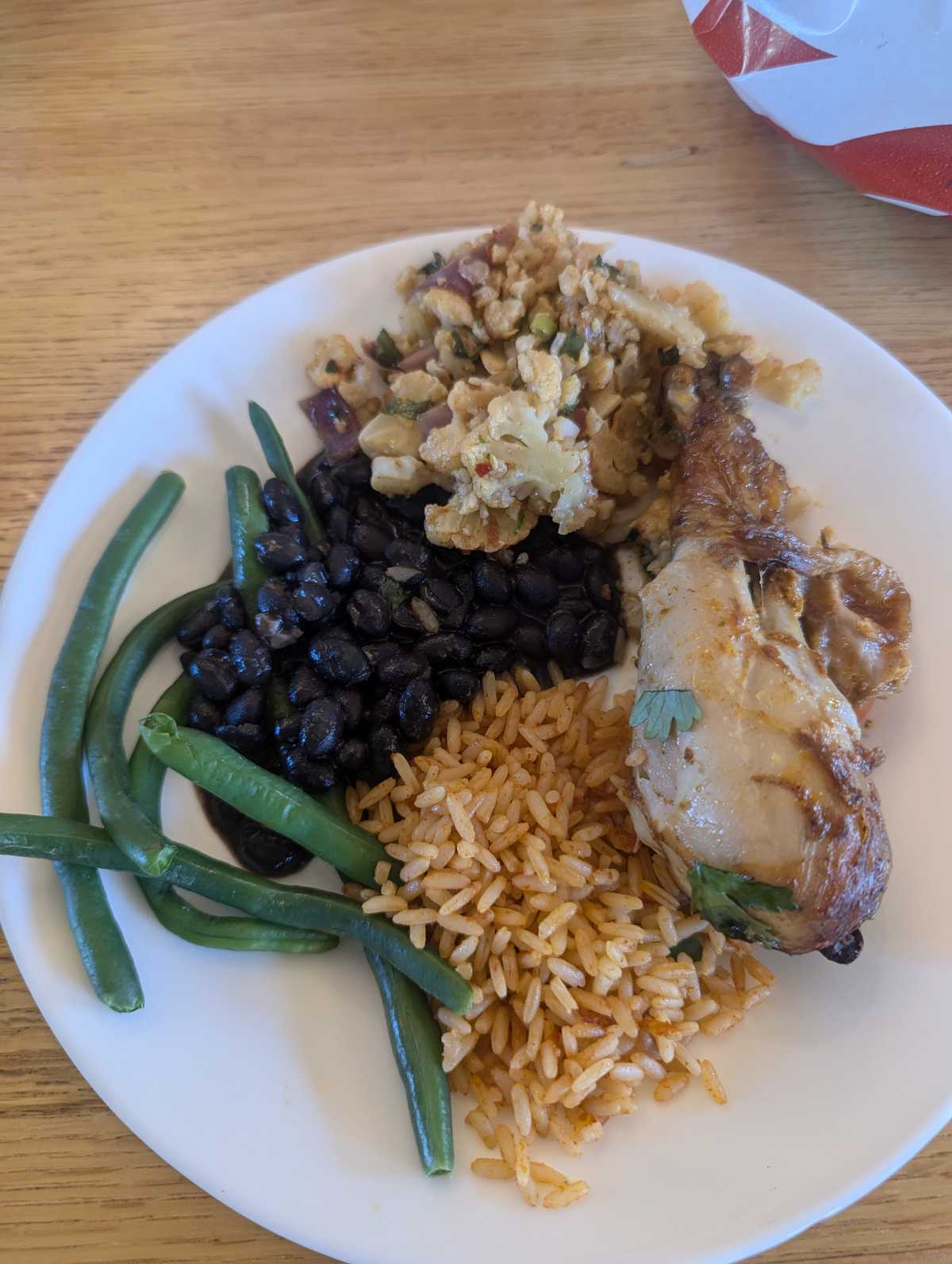
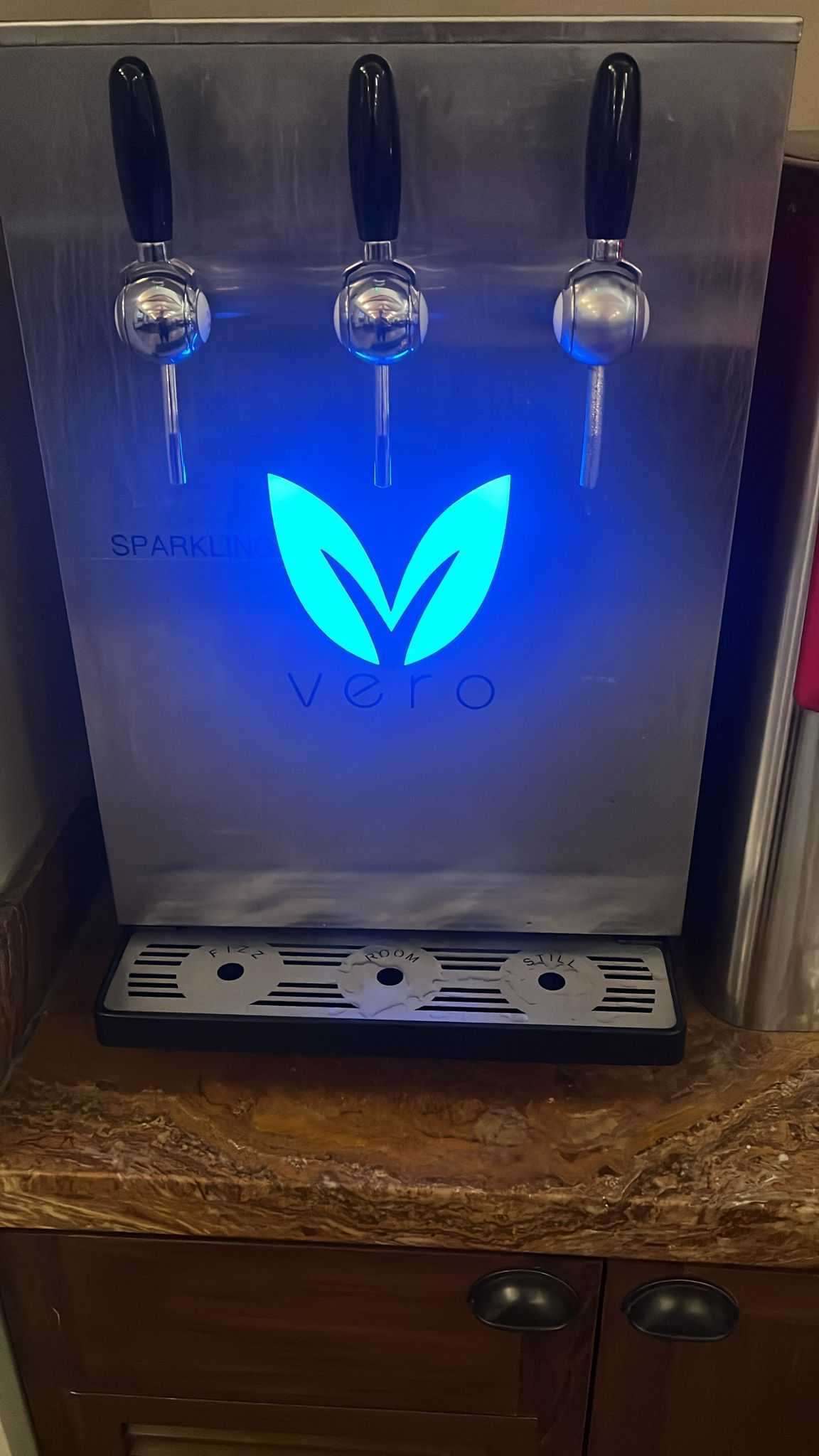
For practical review, start with Stanford University Dining Meal (Beans, Chicken, Rice, Cauliflower), the lowest-scoring Stanford item currently listed, then compare it with Stanford University Dining Hall Water, the strongest-scoring item in this brand set. If both products sit in the same category, use the category page to compare competing brands; if they sit in different categories, treat the brand score as a portfolio signal rather than a direct product substitute.
How to use this brand page.
Use this page to decide what to inspect next, not to label every Stanford product safe or unsafe. A brand with one listed product has a narrow evidence base, while a brand with many products may mix lower-concern records with elevated or highest-concern records. The most defensible workflow is to open the product page, read the source row, compare the category alternatives, and submit a correction if a newer lab report or packaging disclosure changes the evidence.
Brand FAQ
Common questions about Stanford.
Is Stanford a lower-concern brand?
Stanford currently averages 77/100 across 2 rated products, out of 2 listed records. NonToxic.com treats this as a brand-level screening signal, not a blanket certification for every Stanford product.
Which Stanford products should be reviewed first?
Stanford University Dining Meal (Beans, Chicken, Rice, Cauliflower) is the lowest-scoring Stanford product currently listed, while Stanford University Dining Hall Water has the strongest comparative score in this brand set. Shoppers should compare both records against products in the same category before switching.
How strong is the evidence for Stanford?
The current Stanford set includes 2 medium confidence records across categories including Beverages, Household Products. Records with missing source URLs, missing test years, or unavailable contaminant fields should be treated as transparency priorities.
Review first
Lowest-scoring Stanford products.
Better signals